Sculptural Accessories That Turn Heads
Sculptural accessories live in the thrilling space where fashion blurs into art — the molded cuffs, geometric earrings, and architecturally shaped bags that look like they belong in a gallery gift shop (in the best way). They’re the details that turn an outfit into a statement and mark you out as someone with a genuine point of view. Here’s how to wear them so they turn heads for all the right reasons.

Jewelry as Wearable Art
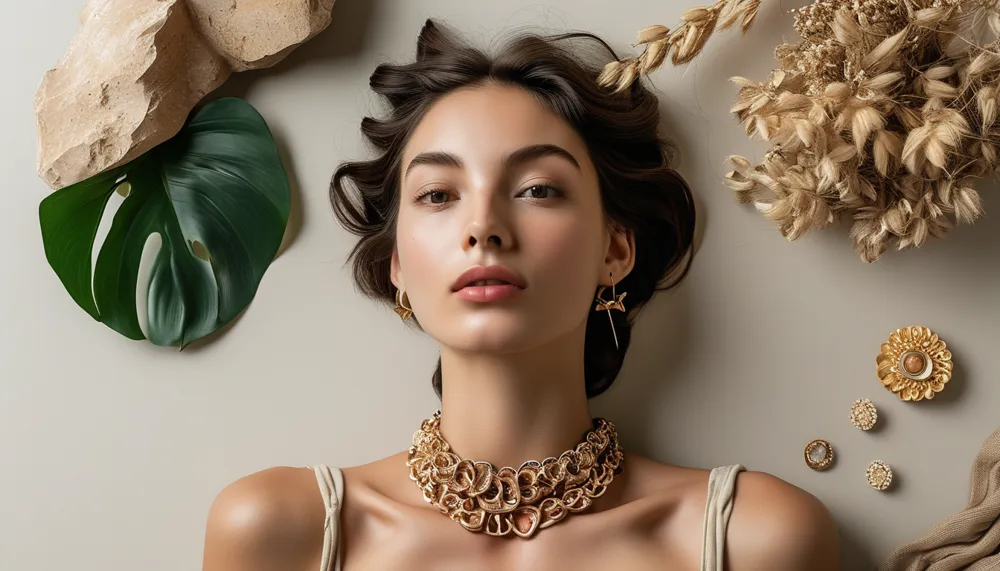
Sculptural earrings, molded cuffs, geometric rings — jewelry with an architectural form is quite literally wearable art. These pieces bring a gallery-worthy edge to an outfit and become instant focal points. They’re for the woman who sees accessorising as creative expression rather than an afterthought, and they reliably prompt the question every stylish person secretly enjoys: ‘Where is that from?‘
Look Beyond Jewelry
Sculptural accessories aren’t confined to your ears and wrists. A geometric clutch, a boldly structural belt, an architecturally shaped bag — these bring the same artful interest to the rest of an outfit. Extending sculptural thinking beyond jewelry gives even the simplest look a directional, considered character. The whole outfit becomes a small exhibition, and you’re the curator.
Balance Is Absolutely Everything
Sculptural accessories are statements, so restraint is what makes them work. Choose one artful piece and keep the rest of the outfit — and any other accessories — deliberately simple. That discipline lets your sculptural piece command the attention it was designed for. Two competing sculptures on one body is a group show nobody asked for; one perfect piece is a masterpiece.
Treat Your Outfit as a Canvas
Sculptural accessories look their absolute best against clean, simple clothing. A neutral, streamlined outfit becomes the perfect blank canvas for an artful accessory. Keep the backdrop quiet and let the sculptural piece do all the talking — the same principle that governs a gallery wall painted white so the art can breathe. You are the wall; the accessory is the art.
Invest in Pieces That Last as Art
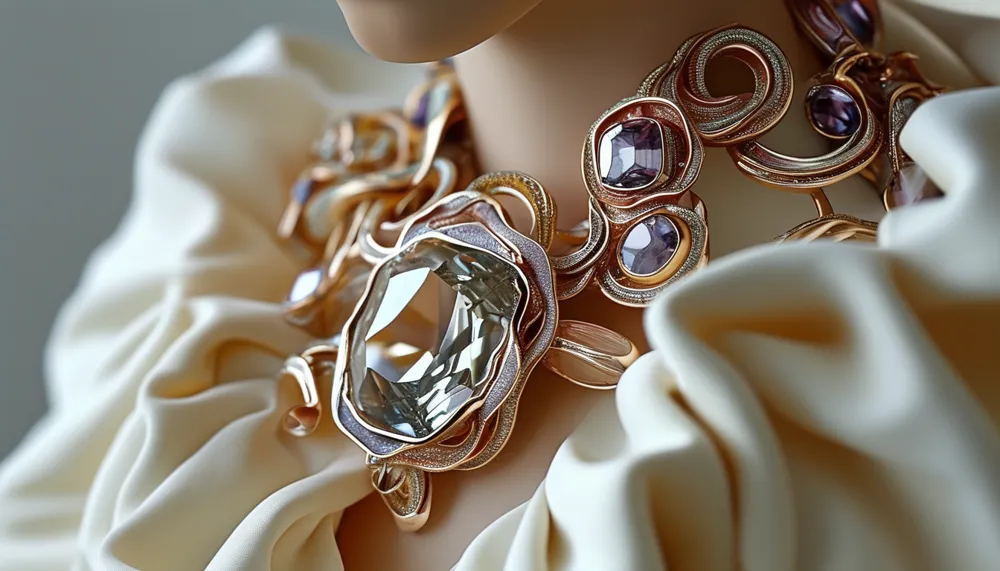
A genuine sculptural accessory is worth investing in, because it’s the piece you’ll reach for again and again to transform a plain outfit. Choose quality — well-made metal, solid construction, a shape you truly love — and it’ll stay striking for years. Like any good piece of art, a well-chosen sculptural accessory only becomes more ‘you’ the longer you live with it.
Sculptural accessories are the artful details that genuinely turn heads. Embrace jewelry as wearable art, look beyond jewelry to bags and belts, balance with real restraint, and treat your outfit as a canvas. One architectural piece transforms a simple look into a genuine statement — and marks you out as someone with a point of view.
Keep Reading
This article is for general styling and informational purposes only. Trends, sizing, availability and pricing may vary by brand and season.