Why One Real Statement Piece Reads Better Than Several Small Accessories Worn Together
It’s tempting to reach for several accessories at once when trying to elevate an outfit, but a single genuinely bold piece almost always reads as more deliberate and more expensive than four or five smaller ones worn together, and the reason comes down to how the eye processes visual weight, not quantity.
Why Visual Weight, Not Count, Is What Registers as Intentional
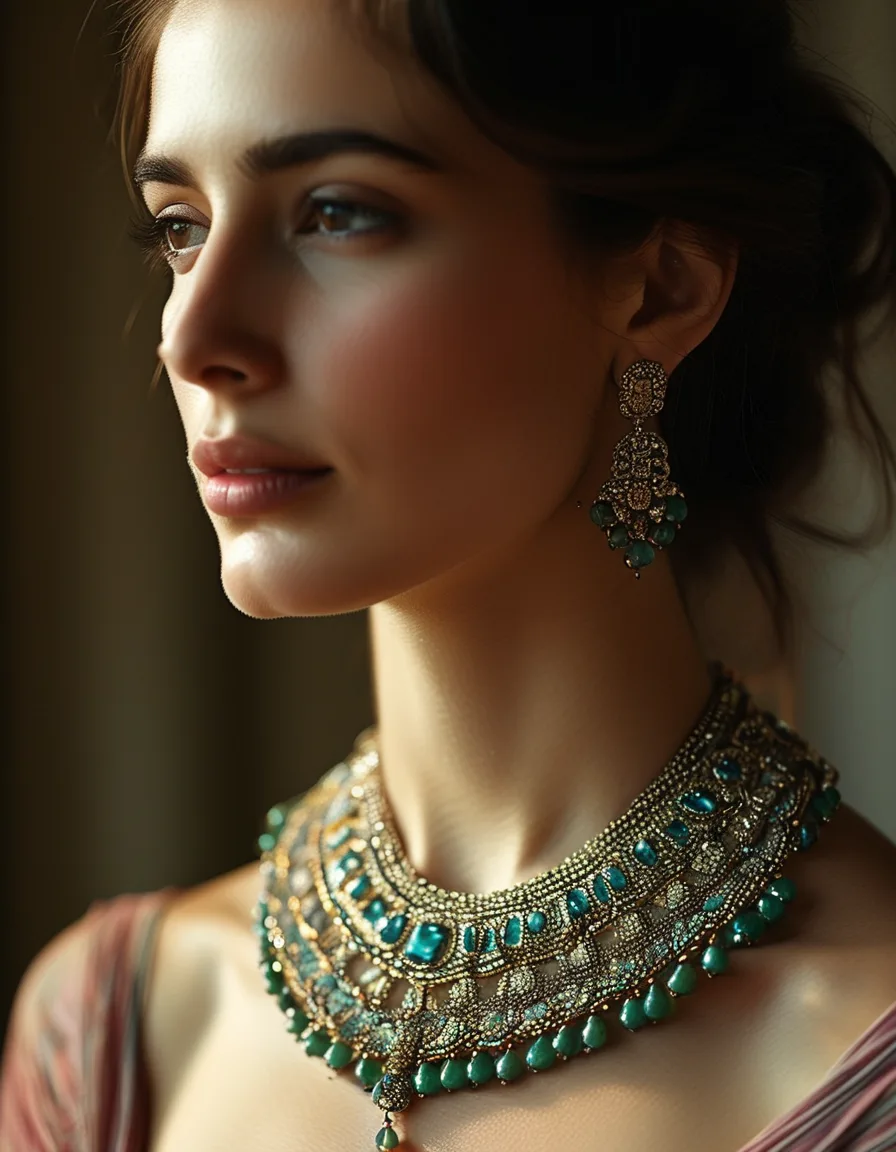
The mechanism: the-eye-reads-a-single-piece-of-sufficient-scale-as-a-deliberate-styling-decision-while-several-small-pieces-register-as-an-accumulation-rather-than-a-choice (the eye reading a single accessory of sufficient scale as a clearly deliberate styling decision made in one confident stroke, while several smaller pieces worn at once register instead as an accumulation, something added to gradually rather than chosen all at once, per the statement-jewelry-guide logic — the-eye-reading-a-single-accessory-of-sufficient-scale-as-a-clearly-deliberate-styling-decision-while-several-smaller-pieces-worn-at-once-register-as-an-accumulation-rather-than-a-single-choice), and the reframe (intentionality being read from scale and singularity, not from how many pieces are present)).
Why Stacking Small Pieces Dilutes Rather Than Adds
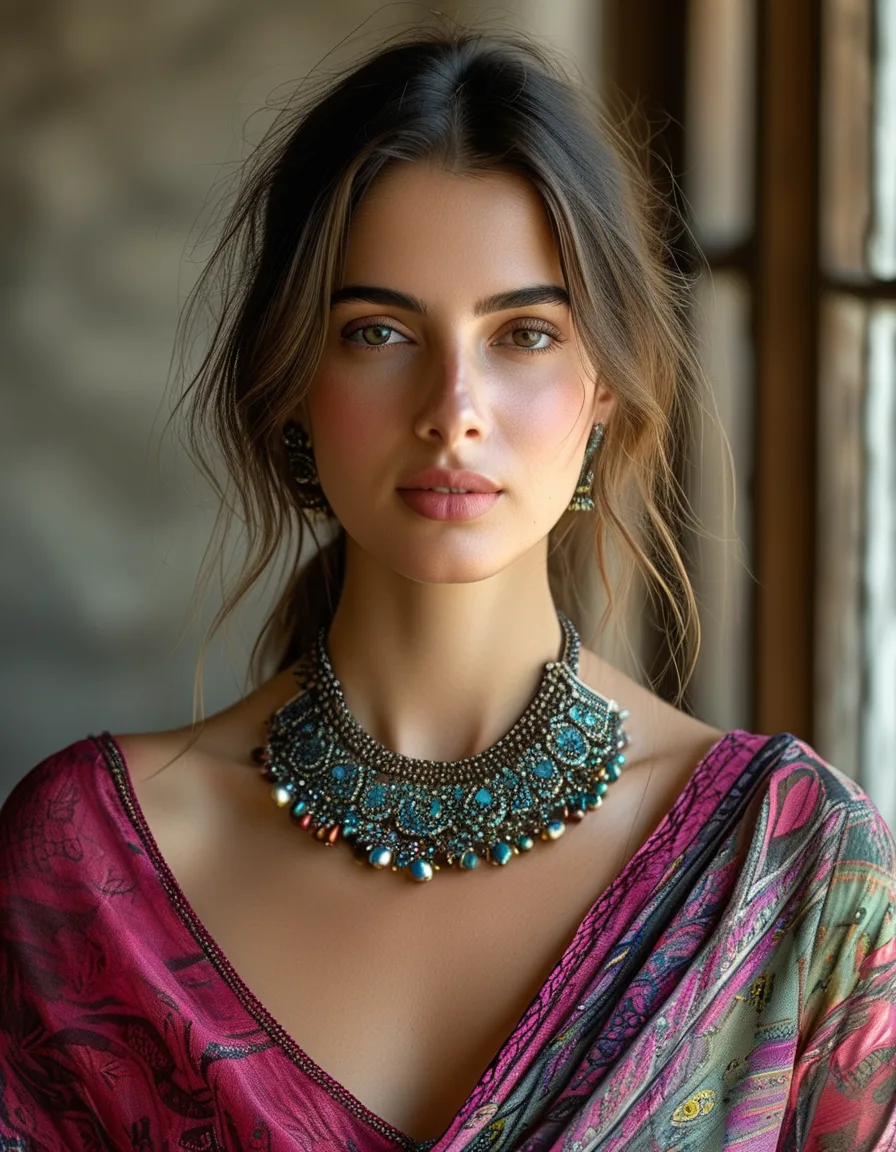
The dilution: each-additional-small-piece-competes-for-the-same-limited-visual-attention-an-outfit-can-command-splitting-focus-rather-than-compounding-impact (each additional small accessory competing for the same limited pool of visual attention an outfit can actually command, splitting that focus across several minor points rather than compounding it into one strong impression, per the how-to-mix-metals-jewelry logic — each-additional-small-accessory-competing-for-the-same-limited-pool-of-visual-attention-an-outfit-can-command-splitting-that-focus-across-several-minor-points-rather-than-compounding-it), and the frame (more pieces spreading attention thinner, not layering it deeper)).
How to Pick the One Piece That Should Carry a Look
The selection rule: choose-the-single-accessory-with-the-most-scale-color-contrast-or-texture-against-the-outfit-and-let-every-other-accessory-choice-recede-in-support-of-it (choosing the single accessory with the most scale, color contrast, or texture difference against the rest of the outfit, and deliberately letting every other accessory choice recede into a quiet, supporting role around it, per the build-jewelry-collection logic — choosing-the-single-accessory-with-the-most-scale-color-contrast-or-texture-difference-against-the-outfit-and-deliberately-letting-every-other-accessory-choice-recede-into-a-quiet-supporting-role), and the frame (one piece assigned to lead, and everything else assigned to support it, rather than every piece competing for the same spotlight).
The eye reads a single accessory of sufficient scale as a clearly deliberate styling decision made in one confident stroke, while several smaller pieces worn at once register instead as an accumulation, each one competing for the same limited pool of visual attention an outfit can command and splitting that focus rather than compounding it. Choosing the single accessory with the most scale, color contrast, or texture difference against the outfit, and letting every other choice recede into a quiet supporting role, is what actually produces the more expensive, more intentional read.
Keep Reading
This article is for general styling and informational purposes only. Trends, sizing, availability and pricing may vary by brand and season.